
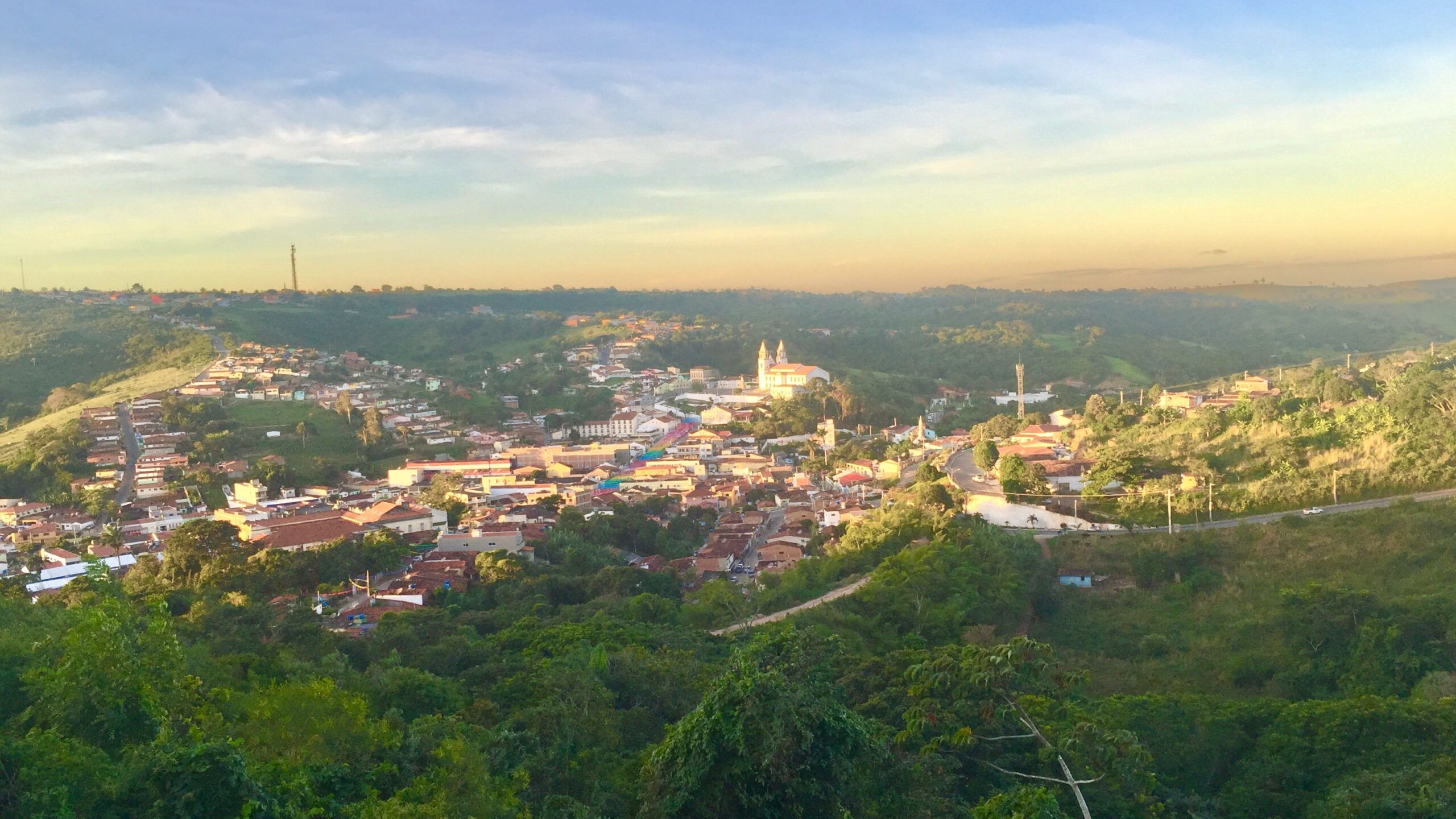
Bananeiras was born where mountain meets wind, where cold air embraces faith. It is a town with an old soul—each corner whispering secrets, each stone holding the echo of lives once lived. Mornings rise through mist and birdsong, and time seems to move at a slower rhythm here, as if still obeying the church bells that have marked the same dawn for centuries.
There’s a lingering scent of coffee, mingled with the sweetness of rapadura and the memory of sugar mills that once pulsed in the heart of Paraíba’s highlands. Behind broad windows and generous eaves, the past doesn’t sleep—it merely rests. Afternoon conversations spill gently onto the sidewalks, a reminder of when listening was as valued as speaking.
Bananeiras lives by traditions the wind refuses to erase. During June, lanterns and fireworks light up the winter sky, and the Caminhos do Frio festival turns cold nights into celebration. Music rises from the squares, forró dances blend with the smoke of bonfires, and troubadours sing stories the people still believe in. In every melody and verse, an invisible thread binds past and present together.
Along the steep cobbled streets, memory walks hand in hand with faith. The procession of Our Lady of the Rosary, the music of local bands, the pealing of bells—all repeat with the same devotion. Here, religion isn’t a ritual to be imposed but a continuity to be cherished, gentle as the fog that settles over the hills at dusk.
At night, the city glows with small lights. Silence gains texture, and travelers find themselves woven into the landscape. Inns with their fireplaces and the scent of burning wood offer warmth not just to the body but to the spirit. With each glass of wine or cup of coffee, a conversation begins—and in those simple words lies Bananeiras’s greatest treasure: tenderness.
When morning breaks and the hills shimmer in gold and mist, visitors understand that Bananeiras is more than a destination—it’s a feeling. A reminder of a Brazil that still knows how to be human, that cultivates kindness as a shared virtue and memory as a quiet form of eternity.
Bananeiras does not age—it matures, like the coffee that once made it famous. It is a reliquary of stories, an altar of traditions, a refuge where culture blossoms between the chill of the air and the warmth of its people. Whoever passes through never leaves entirely; they carry with them the echo of its bells and the sweetness of dawns scented with longing.
Under the mountain’s cloak, Bananeiras breathes—
cool and tender as a living memory.
In the murmur of leaves, ancient voices linger;
in the laughter of its people, peace endures.
No one departs from here whole—
something stays behind, in the wind, the bell, the air.
And one carries away, perhaps without knowing,
a piece of what Bananeiras truly is:
memory, faith, and the art of welcoming.
by Palmarí H. de Lucena